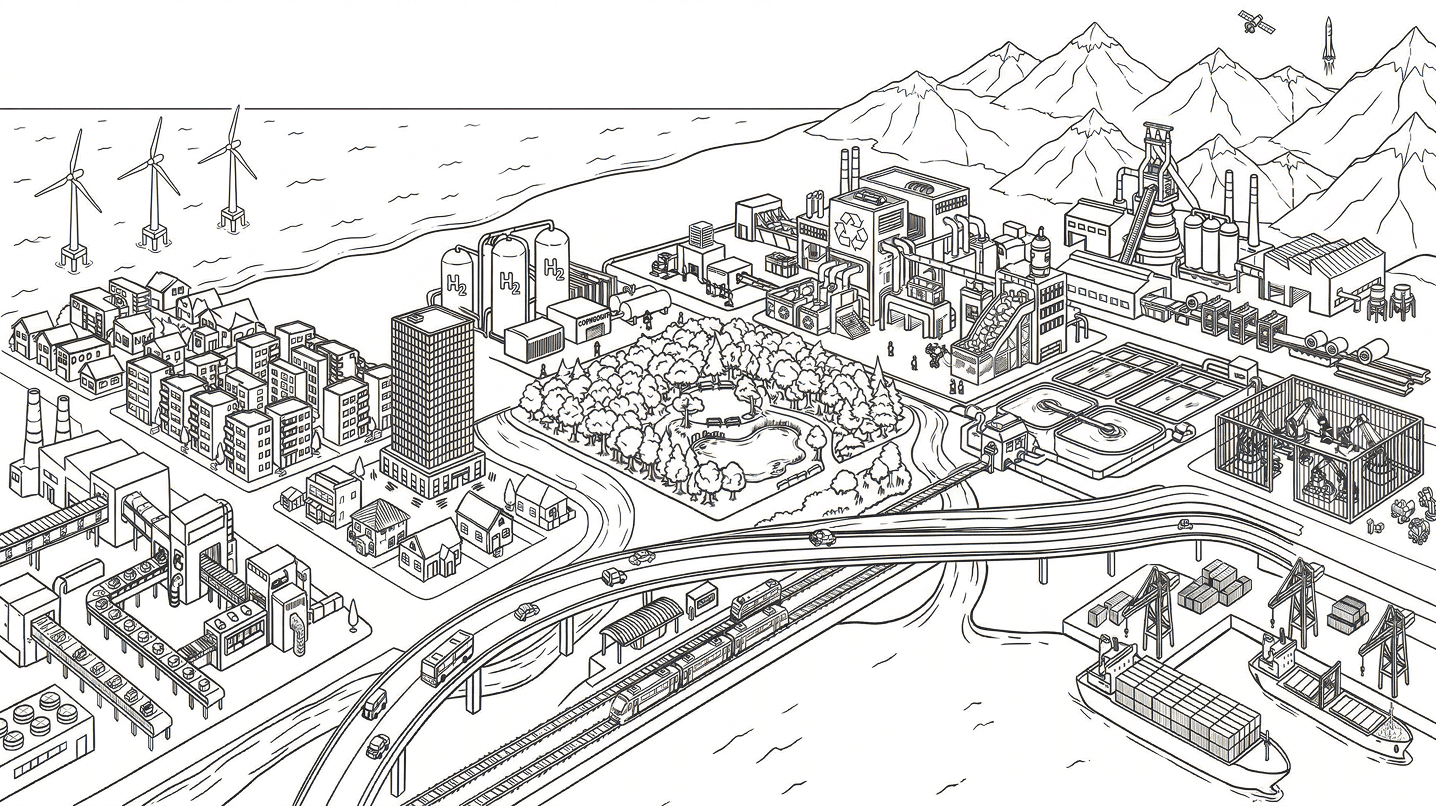
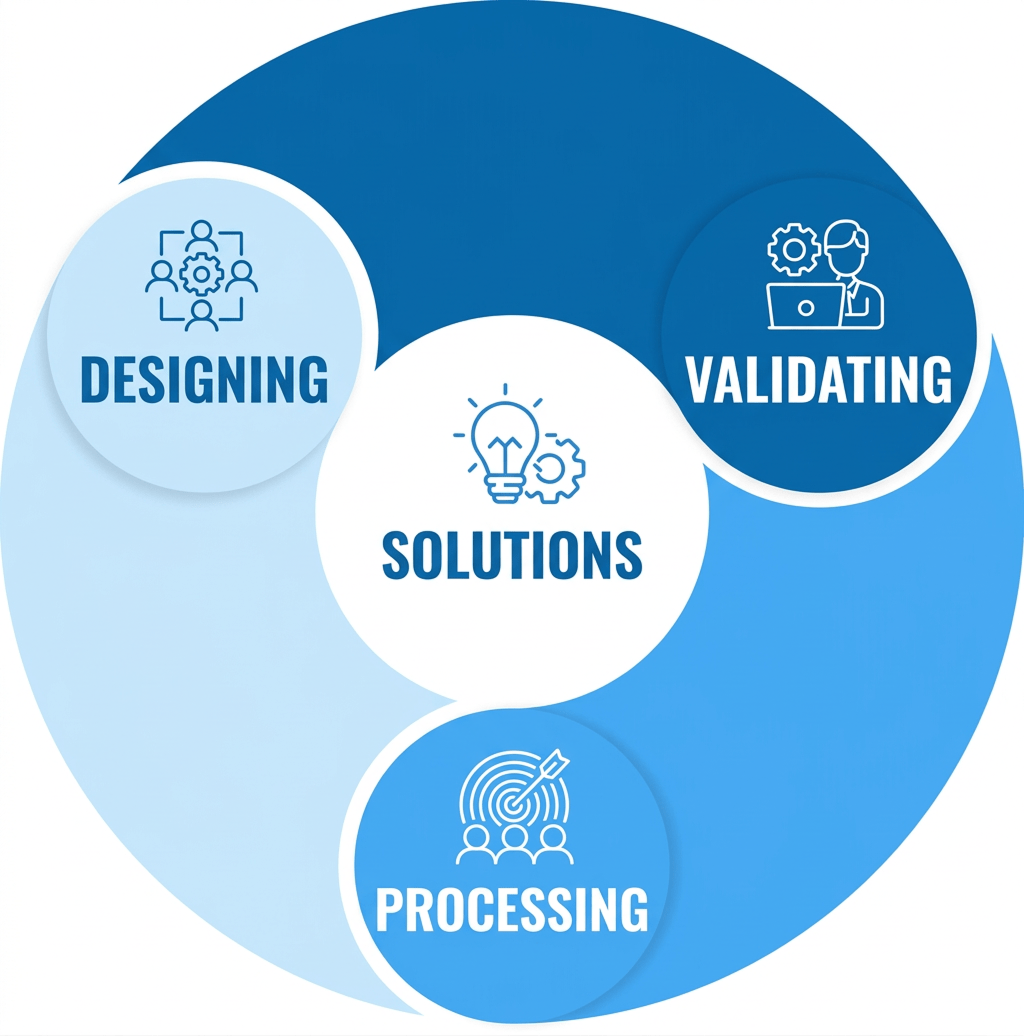
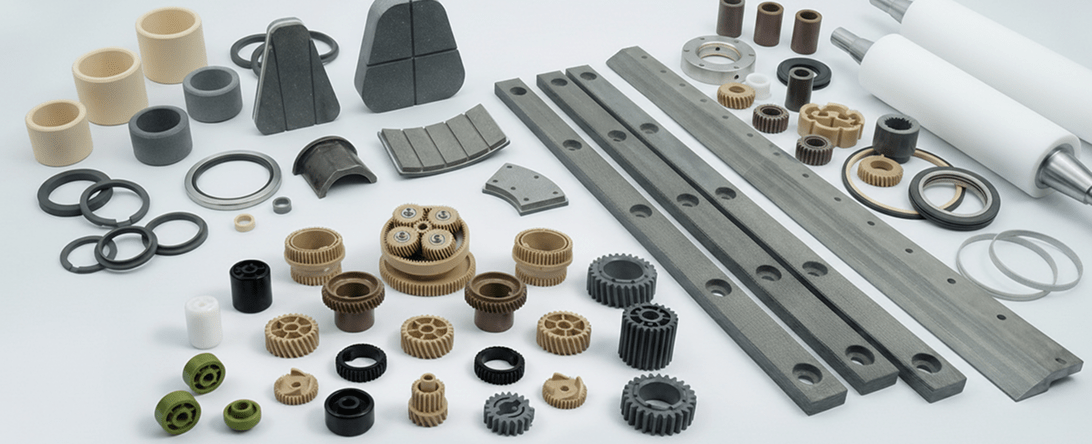
From heavy-duty equipment to precision mechanisms, we help customers achieve reliable motion in diverse environments. Materials × process × validation—engineered as one.
洋上風力発電向けヨーブレーキ 次世代:長寿命・信頼性
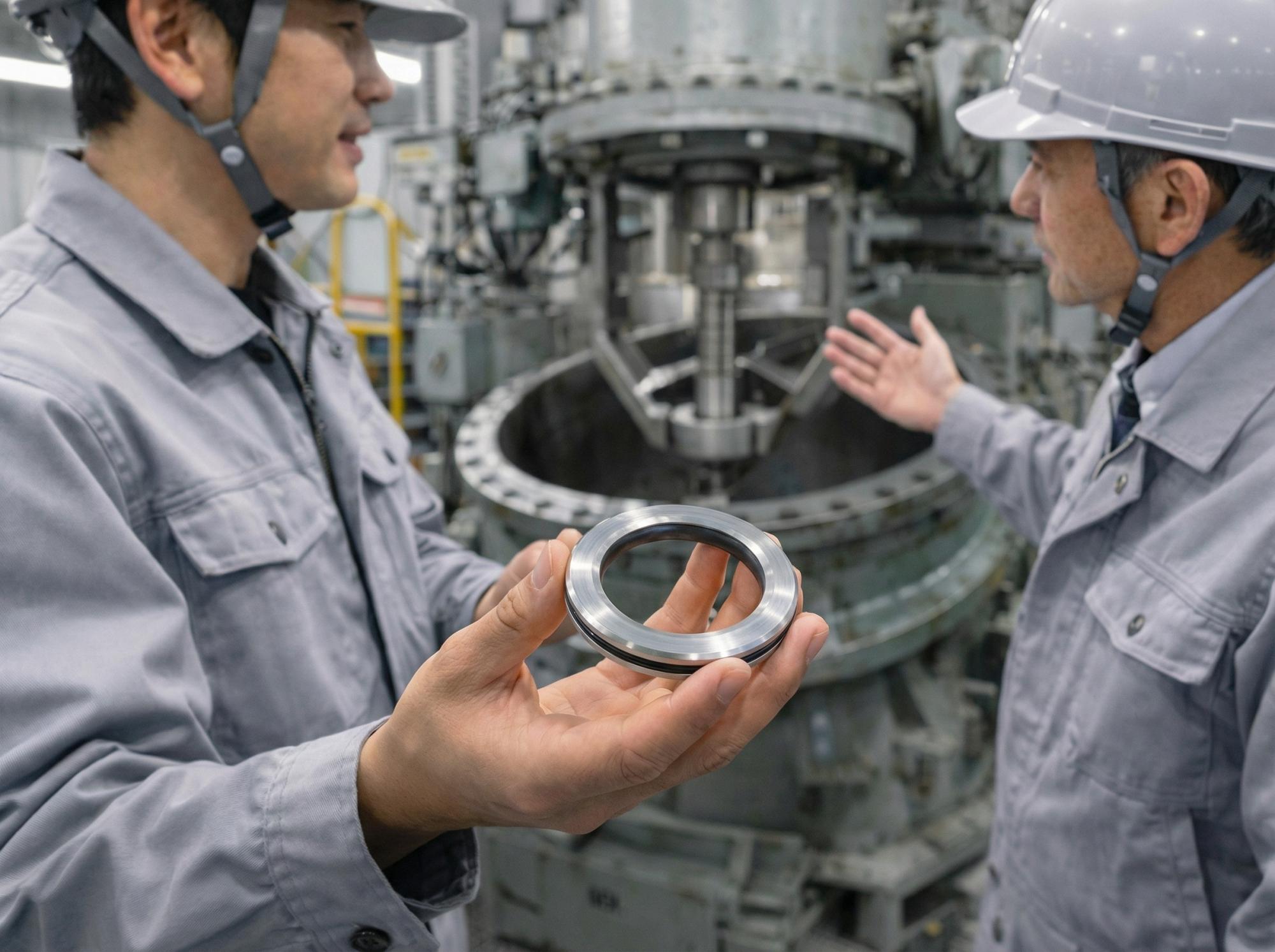
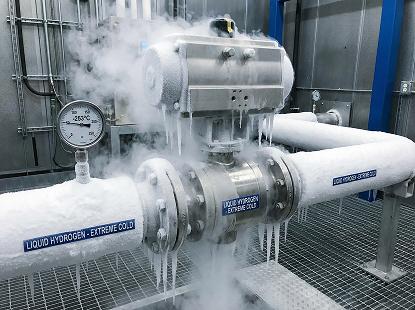
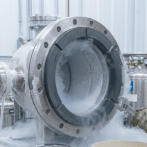
極低温環境向けシールリング
ALP:極低温・シール・信頼性
高圧ガス用圧縮機リング ALP:実績・長寿命・信頼性
リサイクル工場向けしゅう動部品 BAKES:耐摩耗・しゅう動性・信頼性
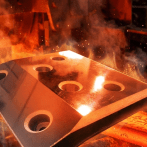
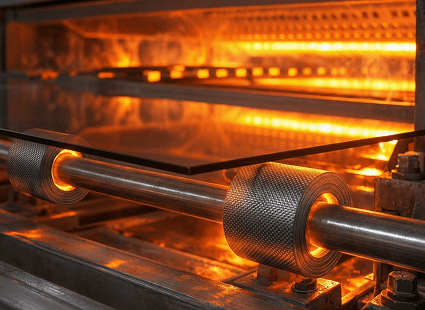
鉄鋼圧延ライン向け防疵製品 BAKES:耐熱・耐摩耗・高荷重
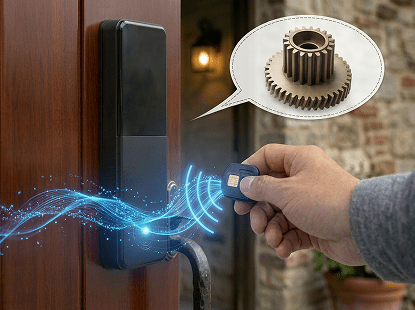
電子錠用樹脂減速機 S-BEAR:小型・静音性・省メンテ
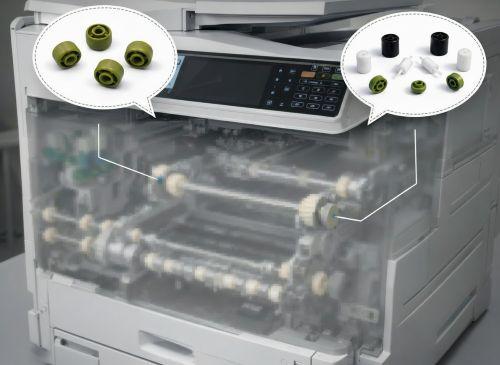
OA機器向け歯車・軸受け S-BEAR:グリスレス・耐熱・静音性
エレベーター向け保持ブレーキ/しゅう動ガイド BAKES/ALP:止める・安全・しゅう動性
植物由来ですべる/止めるを実現 材料開発:非石油由来・しゅう動性
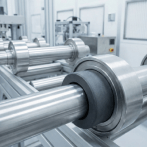
製パン機械用長尺ローラー ALP:食衛法・非粘着・耐摩耗
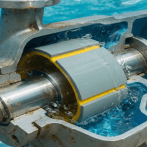
ポンプ向け金属複合軸受け BAKES/ALP:低摩耗・省メンテ・信頼性
ロボット用保持摩擦材 S-BEAR:保持・摩擦制御・高耐久
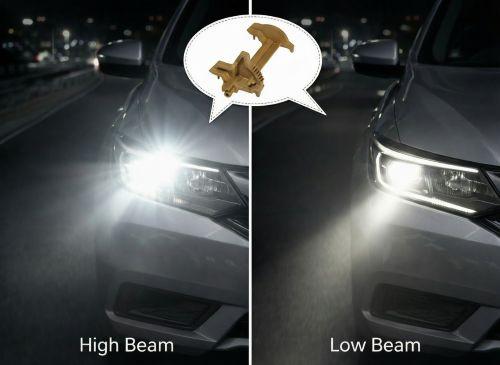
自動車部品をコンパクトに樹脂化 S-BEAR:高耐久・軽量・設計提案
鉄道・搬送向け摺動部品 BAKES/ALP:耐摩耗・しゅう動性・省メンテ
大型船舶用ラダーベアリング BAKES: 実績・長寿命・信頼性
01
Functional Range
Motion Functions: Slide, stop, rotate, protect—engineered components that perform reliably.
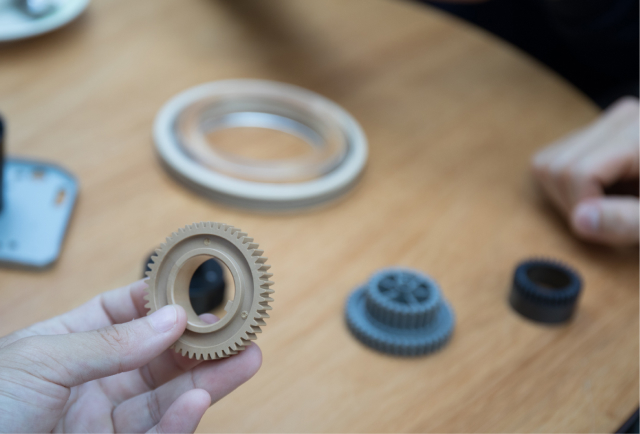
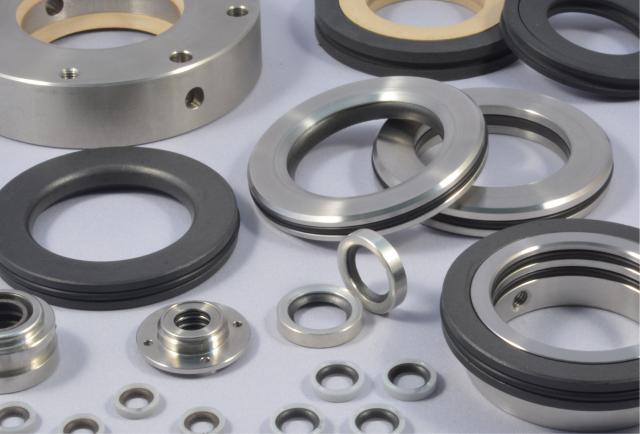
Bearings (Slide) that control the coefficient of friction (CoF) and minimize wear.Friction materials (Stop) that deliver reliable braking and holding performance.Polymer gears (Rotate) that transmit power efficiently.Seals (Protect) that prevent leakage and reduce damage to the counterface. Across these functional components, we help improve the reliability of machines and equipment.
02
Application Range
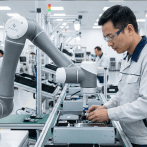
Industry Coverage: From infrastructure and steel plants to collaborative robots.
From heavy-duty equipment in steel-making and shipbuilding—designed to run continuously under high loads—to polymer gear reducers that transmit rotational power with precision. Our long-standing adoption across applications that demand both strength and precision is proof of STARLITE’s reliable
03
Temperature Range
Temperature Range: Usable from -200°C cryogenic to 800°C high heat environmental temperature.
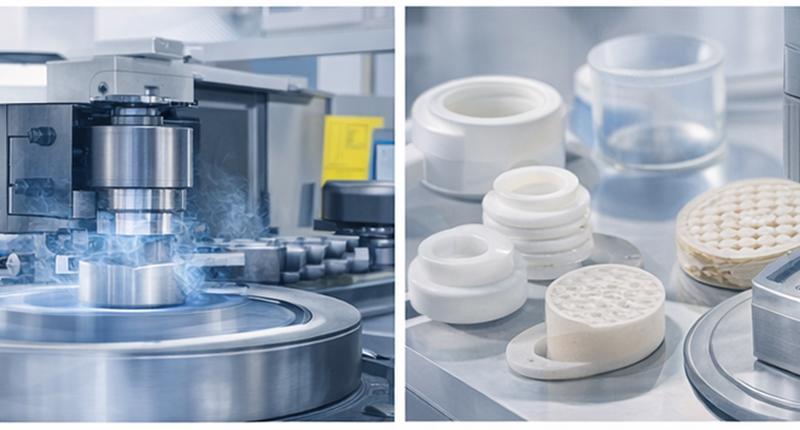
STARLITE maintain stable performance even in extreme environments—high-temperature ranges where polymers can soften or lose performance, and cryogenic conditions down to liquid-hydrogen temperatures. For operating conditions that are challenging for conventional materials, we combine material engineering with upfront simulation and testing to define the optimal specifications.
04
Lubrication Range
Environments: Optimized for water, oil, grease, or no lubrication.
Even in dry-running environments where lubricants can’t be used—and under harsh conditions where seawater, chemicals, or slurry may enter—we maintain smooth motion and high wear resistance. Across a wide range of operating environments, we support reliable, long-lasting performance you can count on.
05
Material Range
Materials: Thermosets, fluoropolymers, engineering plastics, biomass and recycled grades.
BAKES, based on heat-resistant polymer composites. ALP, based on fluoropolymers. S-BEAR, based on high-performance engineering plastics. Starting from material design and selection, we translate requirements into the optimal geometry—delivering an end-to-end solution from material to final shape.
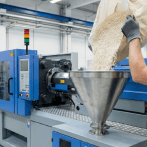
STARLITE support a wide range of processes—from injection molding of difficult high-performance polymers to thermoset molding and FRP/composite processing. Leveraging proprietary technology for seamless long-length components, we recommend the optimal process based on material behavior and your performance requirements.
07
Geometry Range
Scale: Millimeter parts to meter-class components and units.
From small precision parts requiring fine tolerances to seamless long-length products and meter-class large components, we deliver the specifications you need with minimal constraints on size or geometry. We can also design not only individual parts but complete assemblies—units that incorporate surrounding mechanisms as an integrated system.
08
Validation Range
Evidence: CAE prediction plus in-house testing for data-backed confidence.
We use simulation to establish an upfront outlook, then confirm performance through real-world testing at our in-house evaluation center. By iterating between prediction and verification, we build data-backed confidence and deliver reliably validated quality.
Starlite Core Tech
Development & Design. Implementation. Validation & Testing. Connecting the full workflow end-to-end to bring the optimal solution to life is Starlite’s core technology.
Analysis & Validation
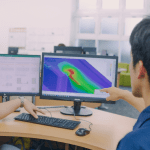
Before production, we make performance visible and verify it upfront. We simulate not only moldability, but also how the part will behave under real operating conditions. This helps reduce prototype iterations and rework, keeping development moving smoothly.
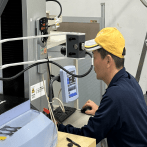
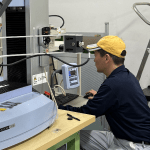
Performance Testing
We conduct testing at our in-house evaluation facilities under conditions that reflect real-world use. We quantify wear and friction (sliding resistance) and use the results to objectively verify the assumptions and predictions from simulation.
Molding & Tooling Engineering
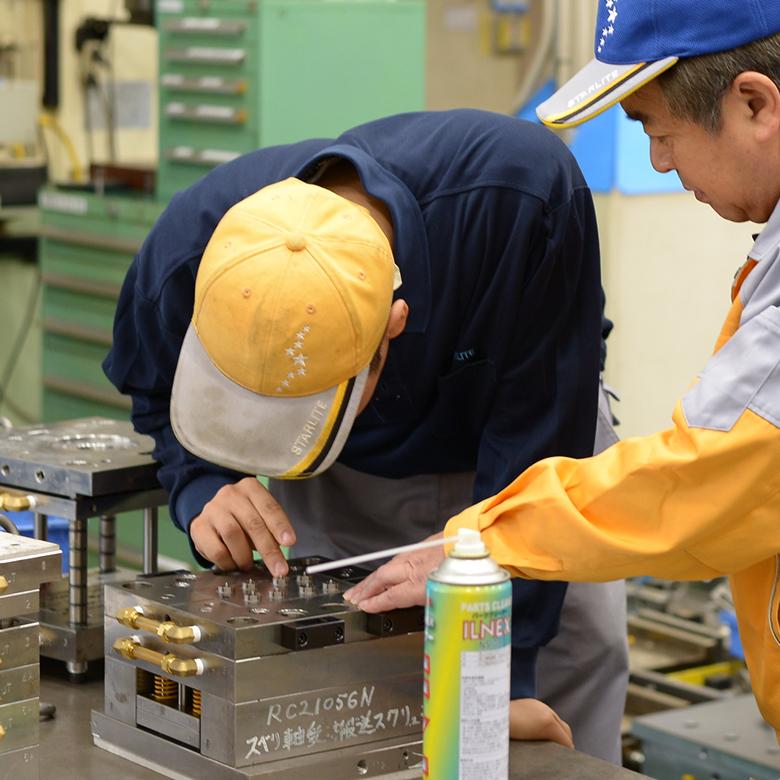
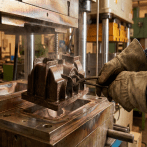
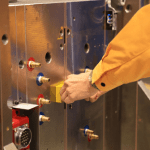
Even for materials that are difficult to mold, we have established mold design and manufacturing processes to achieve the intended geometry and precision. We reflect simulation results in tooling design and select the optimal molding method, enabling high-accuracy, repeatable molding.
Production System
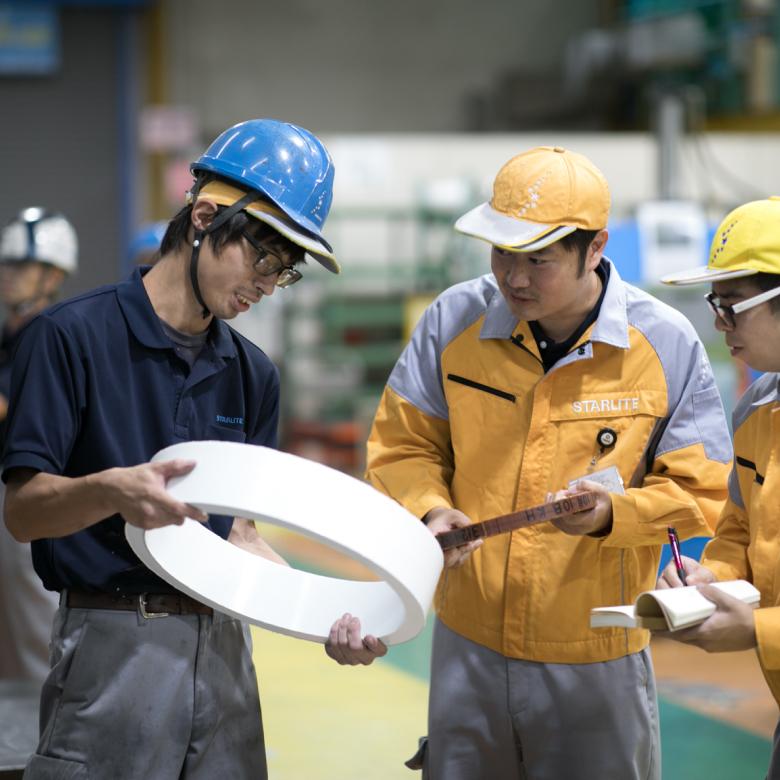
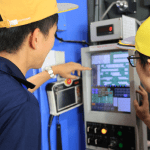
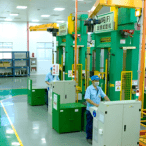
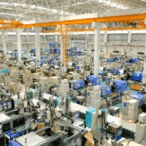
STARLITE support everything from one-off prototypes to mass production at volumes of tens of thousands of parts per month. By coordinating our manufacturing sites in Japan and overseas, we maintain required quality while ensuring stable, on-time supply.
Materials Design
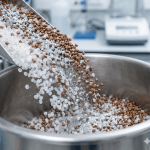
We design material combinations and formulations to match operating conditions such as temperature, load, and counterface material. By engineering the material to meet the target performance, we translate required properties into real, usable function.
Geometry & Unit Design
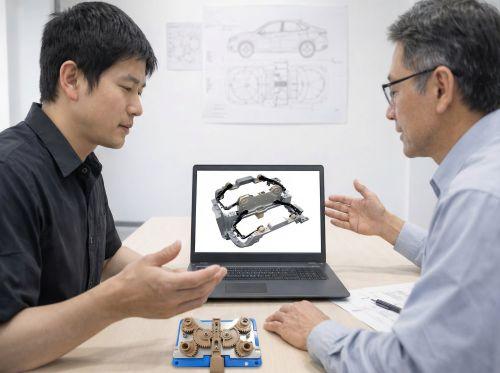
We design part geometry to fully leverage material performance—and can extend to unit-level design that includes surrounding mechanisms. Using upfront simulation, we confirm motion behavior and thermal effects, then refine geometry to match the operating environment—improving factors such as low-friction movement and heat dissipation.
From both use and manufacturing—advancing performance and circularity together.
Impact Through Products
Lower power consumption through reduced friction
Less waste through improved wear resistance
Better mobility fuel efficiency through metal replacement
Materials Development
Advancing Chemical Recycling
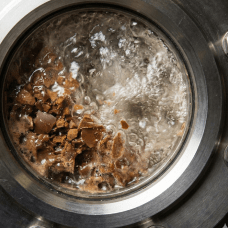
Phenolic resins have long been considered difficult to recycle. In a joint research project with the University of Fukui, STARLITE are exploring a technology that introduces a special acetal linkage into the resin structure—aiming to enable chemical depolymerization and open a path toward circular use.
Controlling Friction with Plant-Based Materials
STARLITE is developing friction materials that use biomass-derived raw materials, with the goal of moving away from petroleum-based inputs. By overcoming challenges in cost and material performance, we aim to commercialize these as next-generation materials with a lower environmental footprint.
Responsible Manufacturing
Turning Production Scrap into Resources
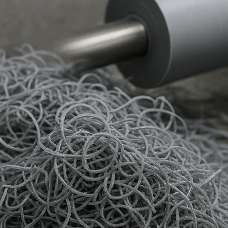
In the production of our mass-produced fluoropolymer products, offcuts and scrap are generated during processing. Instead of discarding them, we grind and reuse the material. By developing our proprietary ram extrusion process, we aim to build a system where production scrap is recovered and reborn as usable product material.
Reducing Plastics in Packaging
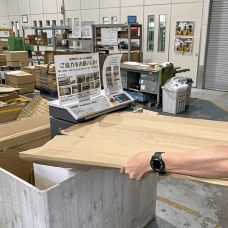
We are gradually replacing disposable plastic cushioning and packaging materials used for shipping with reused cardboard, including material recovered from waste corrugated boxes. This step helps reduce single-use plastics and supports more sustainable logistics.
技術・活動紹介
Pick Up
Explore the stories behind STARLITE’s technology development and initiatives.
Starlite’s development organization and technical support capabilities are deployed across our overseas sites as well. Going beyond local production, we provide an integrated approach—from product development and design to mold fabrication and engineering validation/testing—to build long-term business partnerships based on trust.
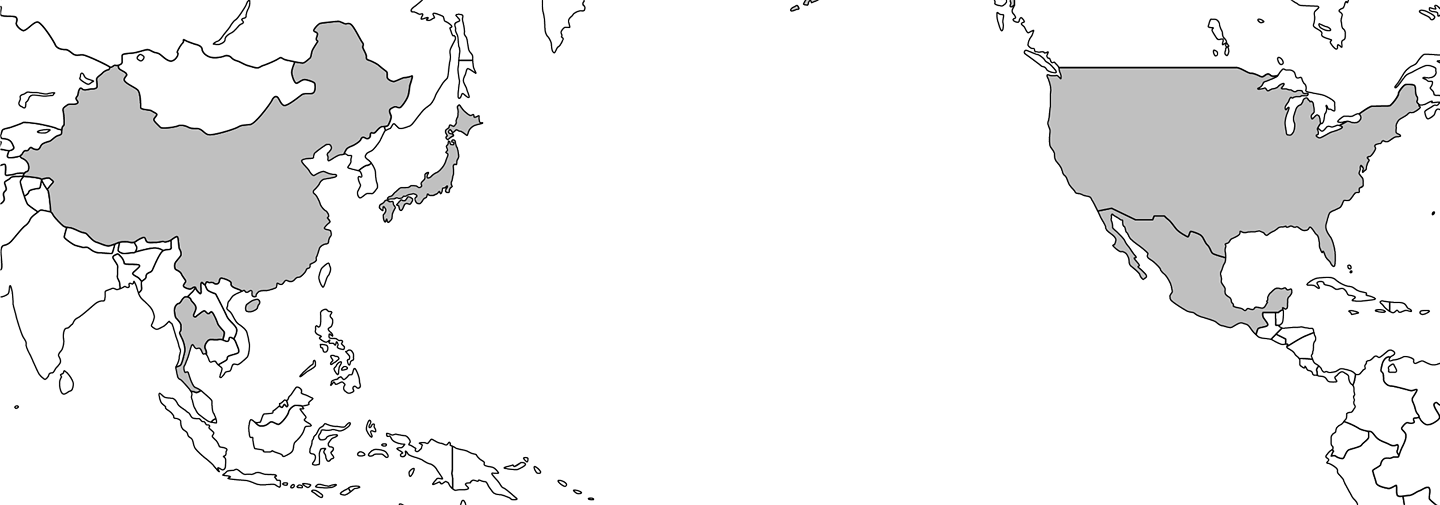
The Starlite Group operates 11 sites in Japan and 6 sites across four countries
overseas. Here, we introduce the production locations of our Tribology Company.
Ritto Plant/Development Center
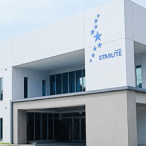
Ritto Site serves as our mother plant, with an end-to-end system that connects the entire workflow on the shop floor—from material compounding and mold design to molding and machining, prototyping, testing, and mass production. The on-site Technical Center supports development, simulation, and evaluation, continuously driving improvements to enhance quality. In addition, the site functions as a disaster-preparedness hub in collaboration with the local community, strengthening business continuity and reliability.
Starlite Plastic Products (Kunshan) Co., Ltd.
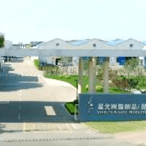
This is our China manufacturing site, capable of producing products across all three sub-brands and delivering high-precision polymer components. We support a wide range of industries, including automotive, office equipment, shipbuilding and steel, vacuum pumps and presses, elevators, industrial machinery and electrical equipment, tooling/molds, and compressors.
Thai Starlite Manufacturing Co., Ltd.
Our Thailand manufacturing site supports tribology and mobility applications through precision molding technologies for high-performance engineering plastics. In close coordination with other Starlite Group sites, we provide a stable supply system across Southeast Asia—delivering consistent Japan-level quality.