



FRICTION MATERIAL SOLUTIONS
Friction Materials for Brakes,
Clutches, and Holding Applications
STARLITE has developed friction materials for industrial machinery for more than 60 years. Our lineup ranges from resin-molded materials for severe-duty, high-load equipment to injection-molded friction materials offering design flexibility and mass-production capability, as well as biomass-based materials developed with environmental considerations. We propose materials based on your application and operating conditions.
MATERIAL LINEUP
Three Friction-Material Options
Select the material family that best matches your performance, manufacturing, and environmental requirements.
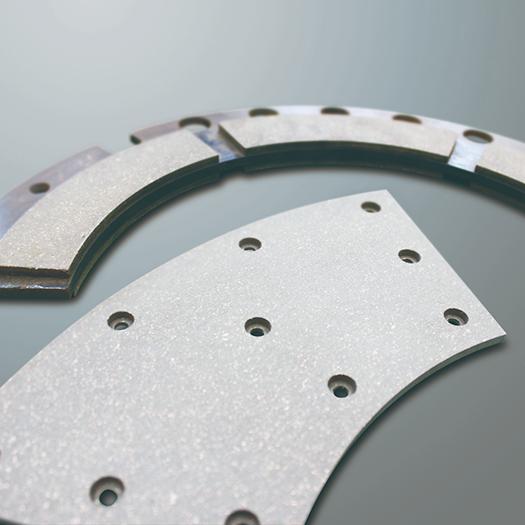
FRISP Friction Materials
Resin-molded friction materials for presses, overhead cranes, paper winders, and other demanding equipment.
View details →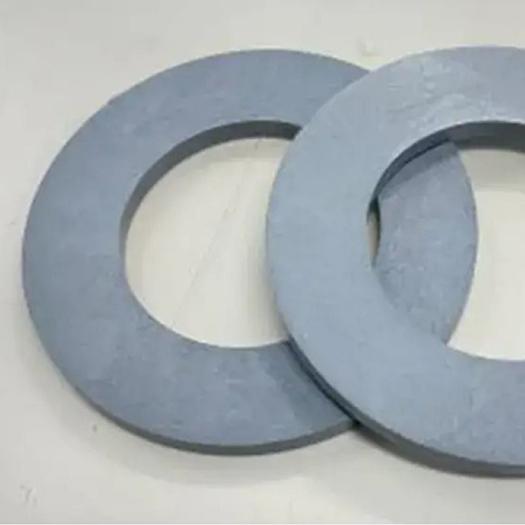
S-BEAR Friction Materials
Injection-molded friction materials offering design flexibility, productivity, and opportunities for part integration.
View details →
Biomass-Based Friction Material
Development material X2101 uses a non-edible biomass-derived resin and is designed for stable friction performance across temperature changes.
View details →FRISP / RESIN-MOLDED FRICTION MATERIAL
FRISP Resin-Molded Friction Materials for Severe-Duty Applications
FRISP materials have a proven track record in demanding applications including large forging and sheet-metal presses, overhead traveling cranes, and paper winder brakes. The lineup offers heat and wear resistance and is designed to help limit loss of braking performance at elevated temperatures.
SHAPE EXAMPLES
Shapes Tailored to the Application and Equipment
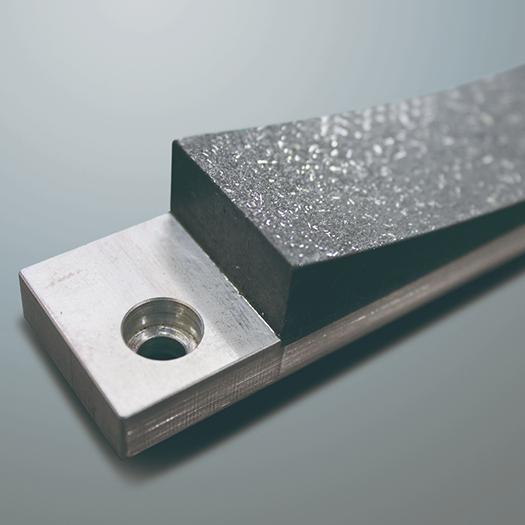 SHAPE EXAMPLE
SHAPE EXAMPLE
SHAPE EXAMPLE
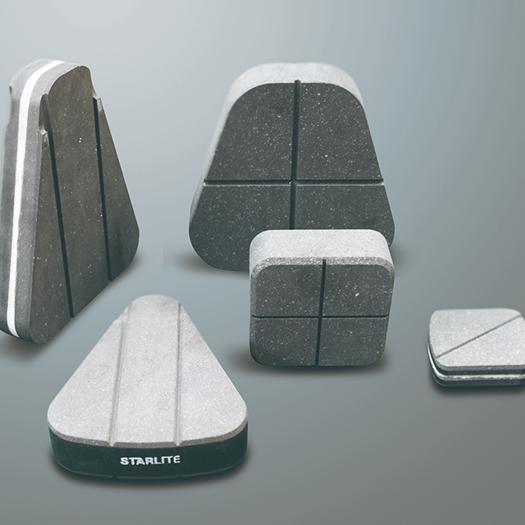 SHAPE EXAMPLE
MATERIAL GRADES
Three Representative Grades for Different Performance Requirements
Stable Torque Performance
Designed for smooth, mild engagement, helping reduce shock to equipment while providing stable torque performance.
High Braking Force
Designed to maintain stable torque as temperature rises and for applications requiring higher braking force.
High Torque and Wear Resistance
Suitable for applications where both high torque and wear resistance are required.
PROPERTY COMPARISON
Representative Physical and Friction/Wear Properties
Representative values are shown below as a reference for material selection.
| Property | Condition / Test Method | #18850 | #18855 | #86140 |
|---|---|---|---|---|
| Density (g/cm³) | JIS K 7112 | 2.0 | 1.8 | 1.9 |
| Hardness (HRS) | JIS K 7202 | 70 | 85 | 25 |
| Compressive Strength (MPa) | JIS K 6911 | 60 | 75 | 25 |
|
Charpy Impact Strength Unnotched (kJ/m²) |
JIS K 7111-1 | 4.0 | 6.2 | 9.1 |
| Friction / Wear Characteristics — JIS D 4411 | ||||
| Coefficient of Friction | 100°C | 0.30 | 0.48 | 0.39 |
| 200°C | 0.32 | 0.50 | 0.46 | |
| 300°C | 0.33 | 0.45 | 0.45 | |
|
Wear Rate Wear volume per unit work (×10-5 mm³/N·m) |
100°C | 0.6 | 0.5 | 0.7 |
| 200°C | 0.8 | 0.9 | 0.9 | |
| 300°C | 1.8 | 2.9 | 1.7 | |
* Values shown are representative values and are not guaranteed values. The appropriate grade depends on operating conditions, counterface material, geometry, and other factors. Please contact us for material selection.
Share your known conditions such as load, operating temperature, required coefficient of friction, wear requirements, equipment configuration, and desired geometry. We can help identify candidate FRISP materials.
Discuss FRISP Friction MaterialsS-BEAR / INJECTION-MOLDED FRICTION MATERIAL
S-BEAR Injection-Molded Friction Materials for Design Flexibility and Mass Production
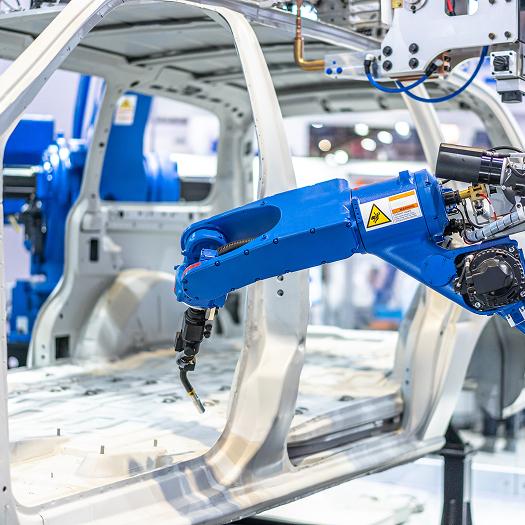
S-BEAR friction materials combine the productivity and design flexibility of injection molding. Materials can be selected according to holding or braking requirements, while insert molding can also be considered for part integration and reduced component count.
FEATURES
From Holding and Braking to Integrated Shapes
- Material selection according to holding or braking requirements
- Injection molding suitable for volume production
- Insert molding can be considered for part consolidation and reduced component count
- Thermoplastic, thermoset, and biomass-based material options
- Depending on operating conditions, designs without metal reinforcement and weight reduction may be considered
- Material selection can take heat resistance, wear resistance, and friction stability under temperature changes into account
MATERIAL COMPARISON
Comparison of Injection-Molded Friction Materials
| Property | T9190 | X2204 UNDER DEVELOPMENT | X2101 UNDER DEVELOPMENT | Conventional Material |
|---|---|---|---|---|
| Base Material | TPI | PF | PA | Resin Mold |
| Coefficient of Friction | ○ | ◎ | ○ | ◎ |
| Specific Wear Rate | ◎ | ◎ | ◎ | △ |
| Strength | ◎ | ◎ | ◎ | × |
| Quietness | ◎ | ◎ | ◎ | × |
| Productivity | ◎ | ◎ | ◎ | △ |
| Biomass Content | 0% | 0% | 25% (wt%) | 0% |
* The symbols ◎, ○, △, and × indicate relative comparisons among the materials shown. Actual performance depends on application and operating conditions. Please contact us for detailed applicability.
TECHNICAL CONSULTATION
Discuss Your Injection-Molded Friction Material Requirements
We can review requirements related to compact design, volume production, complex geometry, insert molding, and part consolidation based on your current structure and production conditions.
BIOMASS-BASED FRICTION MATERIAL / X2101
Biomass-Based Friction Material X2101 Combining Environmental Consideration with Friction Performance
Development material X2101 is a thermoplastic-based brake friction material using a non-edible biomass-derived resin. It has been developed to reduce variation in friction performance across temperature changes while supporting high-volume production by injection molding.
Recipient of the 72nd Industrial Technology Award from the Osaka Industrial Research Association
Non-Edible Biomass-Derived Resin
Uses a resin with a biomass plastic content of 25% or higher.
Wear Resistance
Published evaluation results show improved wear resistance compared with the conventional fossil-resin-based material tested.
Stability Across Temperature Changes
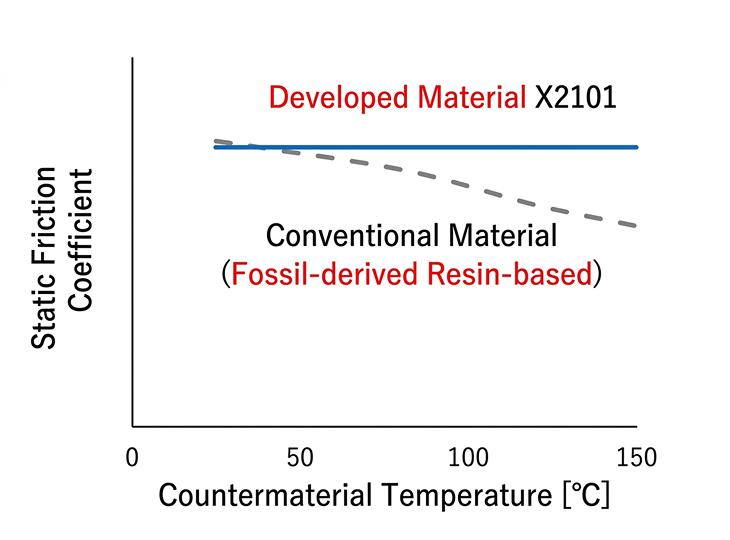
Designed to minimize changes in static friction performance as operating temperature changes.
Limited Variation in Static Friction from 25°C to 150°C
In the published comparison between X2101 and a conventional fossil-resin-based material, X2101 showed relatively little change in static coefficient of friction as temperature increased.
* Performance values shown are based on specific evaluation conditions. Suitability for an actual application must be reviewed based on the operating conditions.
POTENTIAL APPLICATION
Power-Off Brakes for Collaborative Robots
Application development is progressing for power-off (fail-safe) brakes used for holding and emergency braking in collaborative robots, where quiet operation and stable holding and braking performance are required.
Please contact us if you are considering biomass-based friction materials, alternative materials with environmental considerations, or holding and braking applications exposed to temperature changes.
Discuss X2101TECHNICAL CONSULTATION
Not Sure Which Friction Material Fits Your Application?
You can contact us even if your specifications are not yet finalized. Based on the information available, we can help organize candidate materials from the perspectives of holding or braking requirements, friction characteristics, geometry, and production conditions.
Please share any information currently available
Discuss Your Friction Material Application →